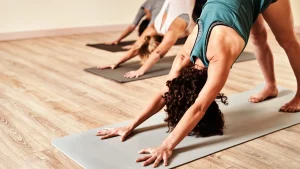
After a long week of sitting for hours at a desk, in a car, or in front of a screen, your body can start to feel tight, sluggish, and even slightly uncomfortable. Many people notice stiffness in the lower back, shoulders, hips, and legs when the weekend finally arrives. This is where weekend recovery stretching after long sitting hours becomes incredibly helpful. It gives your body a chance to reset, release built-up tension, and restore a sense of ease without needing intense workouts or complicated routines. In this article, you will learn how simple stretching habits can help you feel lighter, more relaxed, and more comfortable after days of prolonged sitting.
Why Long Sitting Hours Affect Your Body More Than You Realize
Sitting for long periods may feel harmless, but over time it can create tension throughout the body. When you sit for hours, certain muscles stay inactive while others remain in a shortened position. This imbalance often leads to stiffness in the hips, lower back discomfort, and tightness in the neck and shoulders.
Another reason sitting has such an impact is reduced movement variety. Your body is designed to move in different directions throughout the day, but modern routines often limit that natural movement. As a result, circulation slows down, muscles become less flexible, and posture may gradually shift into a more slouched position.
Understanding these effects is important because it highlights why weekend recovery stretching after long sitting hours is not just helpful but necessary for many people living a sedentary lifestyle.
The Importance of Weekend Recovery for Your Body and Mind
Weekends provide a valuable opportunity to recover from the physical strain of the workweek. While rest is important, complete inactivity is not always the best solution. Instead, gentle movement and stretching can help the body recover more effectively.
Weekend recovery stretching allows your muscles to gently release tension that has built up over several days. It also helps improve circulation, which supports overall comfort and energy levels. Many people also find that stretching helps them feel mentally refreshed, as it encourages relaxation and slows down a busy mind.
This combination of physical and mental relief makes weekend stretching a simple yet powerful self-care practice that supports your overall well-being.
Creating a Calm Environment for Your Recovery Routine
Before starting your weekend recovery stretching after long sitting hours, it helps to set up a calm and comfortable environment. You do not need any special equipment or a gym space. A quiet corner of your home, a yoga mat, or even a soft carpeted area is enough.
The goal is to create a space where you feel relaxed and free from distractions. You can choose soft lighting, play gentle background music, or simply enjoy a quiet atmosphere. Wearing loose and comfortable clothing can also make movement easier and more enjoyable.
When your environment feels peaceful, your body naturally responds better to stretching, making the entire recovery process more effective and enjoyable.
Connecting Breath with Gentle Movement for Better Relaxation
Breathing is one of the most important elements of any stretching routine, especially when recovering from long sitting hours. Many people hold tension in their bodies without realising it, and slow breathing helps release that hidden tightness.
When you breathe deeply and slowly, your muscles receive a signal to relax. Inhaling helps create space in the body, while exhaling encourages release and softness. This simple rhythm allows your stretching routine to feel more natural and less forced.
By combining breath with movement, you create a calming flow that supports both physical recovery and mental relaxation, making your weekend routine more effective overall.
Starting with Light Movements to Wake Up the Body
After days of sitting, your body may feel stiff at first, so it is important to begin with very light movements. The purpose of this stage is not to stretch deeply but to gently wake up your muscles and joints.
Simple movements such as slow neck rolls, shoulder circles, or gentle spinal movements can help activate circulation. These soft motions prepare your body for deeper stretching by gradually increasing mobility.
This gentle start is essential because it helps reduce the risk of discomfort and allows your body to transition smoothly from inactivity to movement. Think of it as giving your body a warm invitation to move again.
Releasing Lower Back Tension from Prolonged Sitting
One of the most common effects of long sitting hours is lower back tightness. This happens because the lower back often stays under pressure while sitting, especially if posture is not ideal.
Weekend recovery stretching can help ease this tension through slow and mindful movements. Instead of forcing deep bends or intense stretches, focus on gentle spinal movements that allow your lower back to relax naturally.
As you move, pay attention to how your body feels. You may notice areas of tightness slowly softening with each breath and movement. This gradual release is key to long-term comfort and better mobility.
Loosening Tight Hips for Better Movement and Comfort
The hips are another area heavily affected by long sitting hours. When you sit for extended periods, hip muscles remain in a shortened position, which can lead to stiffness and reduced flexibility.
Weekend recovery stretching helps open up the hips gently through slow and controlled movements. The goal is not to push your body into deep positions but to encourage natural release over time.
As the hips begin to loosen, you may notice improvements in how you walk, stand, and move throughout the day. This is because the hips play a central role in overall body balance and movement efficiency.
Relaxing the Shoulders and Neck from Screen Fatigue
Long hours of screen use often lead to tension in the shoulders and neck. This is especially common for people who work on computers or frequently use mobile devices. Over time, this tension can build up and create discomfort.
Weekend recovery stretching provides an opportunity to gently release this tightness. Slow shoulder movements and mindful neck stretches can help reduce stiffness and improve comfort.
The key is to move slowly and avoid any sudden or forceful motions. With consistent practice, you may find that your upper body feels lighter and more relaxed after each weekend session.
Improving Posture Awareness Through Gentle Stretching
One of the long-term benefits of weekend recovery stretching after long sitting hours is improved posture awareness. When your muscles are tight, your body may naturally shift into less balanced positions without you noticing.
Stretching helps bring awareness to these patterns by encouraging better alignment and balance. As you move through gentle stretches, you begin to notice how your body holds itself and where adjustments may be helpful.
This awareness gradually carries into your daily routine, helping you sit and move more comfortably during the week. Over time, this can support better posture habits without forcing constant correction.
Building a Simple and Consistent Weekend Recovery Habit
Consistency is key when it comes to weekend recovery stretching. You do not need long or complicated sessions to feel benefits. Even a short, mindful routine can make a noticeable difference in how your body feels.
The most important thing is to make it a regular part of your weekend schedule. Whether you choose morning or evening, setting aside a few quiet minutes for stretching can help your body reset after a busy week.
As this habit becomes part of your routine, you may start to notice less stiffness, improved comfort, and a greater sense of physical ease overall.
Listening to Your Body and Avoiding Overstretching
A very important part of any recovery routine is learning to listen to your body. Everyone’s level of flexibility and comfort is different, especially after long sitting hours.
If something feels too intense, it is always better to slow down or adjust your movement. Stretching should never feel painful or forced. Instead, it should feel like a gentle release that supports your body’s natural rhythm.
By respecting your limits, you create a safer and more sustainable practice that benefits your body in the long run.
Conclusion
Weekend recovery stretching after long sitting hours is a simple yet powerful way to help your body recover from the physical effects of a sedentary lifestyle. By focusing on gentle movement, mindful breathing, and consistent practice, you can gradually reduce stiffness, improve comfort, and support better overall mobility.
This practice is not about intensity or perfection. It is about giving your body the care it needs after a long week of inactivity. When done regularly, these small moments of movement can help you feel more relaxed, balanced, and ready for the week ahead.
FAQs
1. What is weekend recovery stretching after long sitting hours?
It is a gentle stretching routine designed to help release tension and stiffness caused by prolonged sitting during the week.
2. How long should a recovery stretching session be?
Even a short session can be helpful. The focus is on consistency and relaxation rather than duration.
3. Can stretching really help after sitting all week?
Gentle stretching may help improve comfort and reduce tightness by encouraging movement and circulation in the body.
4. When is the best time to do weekend stretching?
You can do it anytime during the weekend, but many people prefer mornings or evenings when the body feels more relaxed.
5. Do I need equipment for recovery stretching?
No equipment is needed. A comfortable space and simple movements are enough to start your routine.