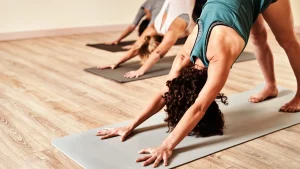
Tight hips are one of the most common physical discomforts people experience today, especially with long hours of sitting, limited movement, and stressful daily routines. A beginner-friendly yoga flow for tight hip relief can be a simple and natural way to bring more comfort, flexibility, and ease into your body without needing advanced skills or intense workouts. The beauty of yoga is that it works gently with the body, allowing you to move at your own pace while gradually improving how you feel. In this article, you will explore how a simple and mindful yoga flow can help ease hip tension, improve mobility, and support your overall daily comfort in a realistic and approachable way.
Understanding Why Your Hips Feel Tight in Everyday Life
Tight hips are often the result of modern lifestyle habits rather than a single cause. Many people spend long hours sitting at desks, driving, or scrolling on their phones, which keeps the hip muscles in a shortened position for extended periods. Over time, this lack of movement can make the hips feel stiff, heavy, or restricted when you try to stand up or move.
Another common reason is imbalance in daily activity. When certain muscles are used more than others, the body naturally adapts by tightening some areas while weakening others. Emotional stress can also contribute, as the body tends to hold tension in the hips without us consciously realizing it. Understanding these everyday causes helps you see that tight hips are not unusual, and they can be gently improved with consistent mindful movement like yoga.
How Yoga Supports Natural Hip Mobility and Comfort
Yoga is especially effective for tight hips because it combines slow movement, controlled breathing, and mindful awareness. Unlike fast-paced exercise, yoga encourages you to move in a way that feels natural and comfortable, giving your muscles time to release tension gradually.
When you practice yoga for hip relief, you are not forcing flexibility but encouraging space and ease in the joint area. This gentle approach helps your body relax while improving range of motion over time. It also supports better posture and balance, which can indirectly reduce discomfort in surrounding areas like the lower back and thighs.
The focus is always on awareness and comfort, making yoga a beginner-friendly option for anyone who wants to feel more open and relaxed in their hips without pressure or strain.
Creating the Right Environment for Your Yoga Practice
Before starting a beginner-friendly yoga flow for tight hip relief, it helps to create a calm and distraction-free space. You don’t need a studio or expensive equipment. A simple yoga mat or even a soft floor space is enough to begin. What matters more is how relaxed and focused you feel in your environment.
Try choosing a quiet area where you can move without interruption. Soft lighting or natural morning light can make the experience feel more peaceful. Wearing comfortable clothing also allows your body to move freely without restriction. The goal is to create a space where your mind can slow down and your body can feel safe to release tension naturally.
This simple preparation helps set the tone for a more mindful and effective yoga experience.
Connecting Breath with Gentle Movement for Better Release
Breathing plays a central role in yoga, especially when working with tight hips. When your breath is calm and steady, your body is more likely to relax and respond positively to movement. Shallow or rushed breathing, on the other hand, can make tension feel stronger.
As you begin your yoga flow, focus on slow and natural breathing. Inhaling gently helps you create space within your body, while exhaling supports soft release and relaxation. This simple rhythm helps your body move with ease instead of resistance.
Over time, this connection between breath and movement becomes a powerful tool. It allows you to notice when your body is holding tension and gently guide it back into a more relaxed state without force.
Starting with Simple Grounding Movements for the Hips
Every beginner-friendly yoga flow for tight hip relief should begin with slow grounding movements. These movements help your body transition from stillness into motion in a gentle and safe way. Instead of stretching deeply right away, the focus is on waking up the hips gradually.
As you move, you may notice that your hips feel stiff at first, but this is completely normal. The idea is to give your body time to adjust and respond naturally. Gentle rocking, light rotations, and soft movements help increase awareness in the hip area without strain.
This stage is important because it prepares your muscles and joints for deeper relaxation later in the flow. Think of it as giving your body permission to slowly let go of tension rather than forcing it.
Exploring Gentle Hip-Opening Movements for Flexibility
Once your body feels slightly more open, you can begin exploring gentle hip-opening movements. These movements are designed to create space in the hip joints and surrounding muscles while maintaining a comfortable pace.
Instead of pushing for deep flexibility, focus on slow and controlled motion. This allows your body to adapt gradually and reduces the risk of discomfort. You may notice areas of tightness becoming softer as you continue to move mindfully.
Hip-opening movements in yoga are not about achieving a perfect pose. They are about creating awareness and allowing your body to naturally expand its range of motion over time. With regular practice, these gentle movements can help you feel more comfortable during daily activities like walking, sitting, and bending.
Releasing Deep Tension Through Mindful Stretching
As your body becomes more relaxed, you can gradually move into deeper yet still gentle stretches. This part of the yoga flow helps release tension that may be stored in the deeper layers of the hip muscles.
The key here is mindfulness. Instead of pushing yourself into discomfort, you stay aware of how your body feels in each position. If something feels too intense, you can always adjust or soften the movement. Yoga is never about forcing progress but about listening to your body’s signals.
When practiced regularly, mindful stretching can help improve how your hips feel over time. It encourages better movement patterns and helps reduce stiffness caused by long hours of inactivity.
Supporting Lower Body Balance Through Slow Transitions
Tight hips often affect other parts of the lower body, including the thighs, knees, and lower back. That is why slow transitions between movements are an important part of this yoga flow. When you move smoothly from one position to another, your body learns to stay balanced and connected.
Instead of rushing, each transition becomes an opportunity to stay present and aware. This helps reduce unnecessary tension and improves overall body coordination. You begin to notice how your hips work together with the rest of your body rather than in isolation.
This awareness is one of the long-term benefits of yoga practice, as it helps you move more efficiently and comfortably in everyday life.
Building Consistency for Long-Term Hip Comfort
One of the most important aspects of a beginner-friendly yoga flow for tight hip relief is consistency. Even short daily sessions can make a meaningful difference over time. The key is not intensity but regular practice that fits naturally into your lifestyle.
When you practice consistently, your body begins to adapt to movement more easily. The hips gradually become more responsive, and everyday stiffness may feel less noticeable. This does not happen overnight, but with patience and repetition, small improvements build up.
Consistency also helps create a healthy routine where movement becomes a natural part of your day rather than a task. This makes it easier to maintain long-term comfort and mobility.
Listening to Your Body and Avoiding Overexertion
A very important part of yoga practice is learning to listen to your body. Every person’s level of flexibility and comfort is different, so it is important not to compare your progress with others.
If something feels too intense or uncomfortable, it is always okay to pause or modify the movement. Yoga should feel supportive, not stressful. By respecting your body’s limits, you reduce the risk of strain and create a more positive experience.
Over time, this mindful approach helps you build a healthier relationship with movement. You begin to understand what your body needs and respond with care instead of pressure.
Integrating Yoga Into Your Daily Lifestyle
A beginner-friendly yoga flow for tight hip relief becomes even more effective when it is integrated into your daily lifestyle. You do not need long sessions to see benefits. Even a few minutes of mindful movement can help your hips feel more relaxed and open.
You can practice in the morning to start your day with ease or in the evening to release tension after daily activities. The flexibility of yoga makes it easy to fit into different schedules without stress.
By making yoga a regular habit, you support not just your hips but your overall sense of physical and mental well-being. It becomes a simple tool that helps you stay connected to your body in a positive way.
Conclusion:
A beginner-friendly yoga flow for tight hip relief offers a gentle and accessible way to improve comfort and mobility without overwhelming your body. Through slow movements, mindful breathing, and consistent practice, you can gradually reduce hip stiffness and create a greater sense of ease in your daily life.
The most important takeaway is that progress comes from patience and consistency rather than intensity. By listening to your body and practicing regularly, you allow your hips to open naturally over time. This simple approach can make everyday movements feel smoother, lighter, and more comfortable.
FAQs
1. What is a beginner-friendly yoga flow for tight hip relief?
It is a gentle sequence of yoga movements designed to help release tension in the hips through slow stretching, mindful breathing, and easy-to-follow poses suitable for beginners.
2. How often should I practice yoga for tight hips?
Practicing a few times a week or even daily for a short duration can be helpful. Consistency matters more than long sessions.
3. Can yoga really help with hip tightness?
Yoga may help improve flexibility and reduce stiffness by encouraging movement and relaxation in the hip area when practiced regularly.
4. Do I need experience to start this yoga flow?
No experience is needed. This type of yoga flow is designed for beginners and focuses on simple, comfortable movements.
5. How long does it take to feel improvement?
Everyone is different, but with regular practice, many people notice gradual improvement in comfort and mobility over time.