Most people today sit for long hours—working, studying, driving, or scrolling on screens. Over time, the body becomes stiff, posture weakens, and even simple movements start feeling uncomfortable.
Yoga, stretching, and mobility work are simple but powerful ways to reverse that stiffness. You don’t need to be flexible, fit, or experienced to start. In fact, these practices are designed for beginners who just want to feel better in their own body.
This guide will help you understand how yoga, stretching, and mobility work together—and how to build a simple routine that fits into your daily life.
What Is Yoga, Stretching, and Mobility?
These three are often confused, but each has a slightly different purpose.
Yoga
Yoga is a mind-body practice that combines movement, breathing, and awareness. It helps improve flexibility, reduce stress, and build body control.
Stretching
Stretching focuses on lengthening muscles to reduce stiffness and improve flexibility. It is usually simple, targeted, and easy to do anywhere.
Mobility
Mobility is about how well your joints move through their full range of motion. It’s not just about flexibility—it’s about control and strength while moving.
Simple difference:
- Yoga = full-body mind + movement practice
- Stretching = muscle length and flexibility
- Mobility = joint control and movement quality
When combined, they create a strong foundation for a healthy, pain-free body.
Why These Practices Matter in Modern Life
Modern lifestyles are not kind to the human body.
Common problems today:
- Long sitting hours
- Poor posture from phones and laptops
- Tight hips and shoulders
- Lower back pain
- Neck stiffness
These issues don’t happen overnight—they build slowly.
Yoga, stretching, and mobility help by:
- Releasing muscle tension
- Improving posture
- Increasing blood flow
- Reducing physical stress
- Preventing long-term joint issues
Step 1: Start With Simple Awareness of Your Body
Before jumping into exercises, you need awareness.
Ask yourself:
- Where does my body feel tight?
- Do I feel stiffness in my neck, back, or legs?
- Do I move comfortably or with discomfort?
Most people already carry tightness without realizing it. Awareness helps you choose the right movements.
Step 2: Basic Yoga Movements for Beginners
You don’t need advanced poses. Start simple.
Beginner-friendly yoga poses:
- Child’s Pose (relaxes the back)
- Cat-Cow Stretch (spine mobility)
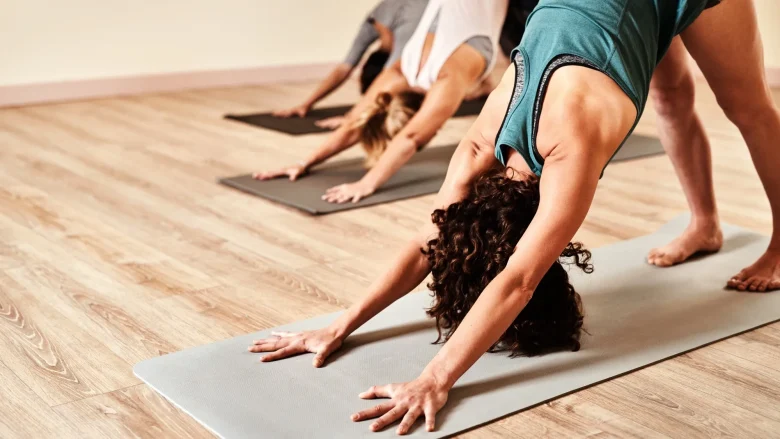
- Downward Dog (full-body stretch)
- Mountain Pose (posture awareness)
- Cobra Pose (spine opening)
Benefits:
- Reduces stress
- Improves posture
- Increases flexibility
- Calms the nervous system
Yoga is not about perfection—it’s about control and comfort.
Step 3: Essential Stretching Routine
Stretching should feel gentle, not painful.
Simple daily stretches:
Neck stretch
Gently tilt head side to side to release tension.
Shoulder stretch
Pull one arm across your chest and hold.
Hamstring stretch
Reach toward your toes while keeping legs straight.
Hip stretch
Lunge position to open tight hips.
Key rule:
Never force a stretch. Mild tension is fine, pain is not.
Step 4: Mobility Exercises for Joint Health
Mobility focuses on how smoothly your joints move.
Simple mobility exercises:
Shoulder circles
Rotate shoulders forward and backward slowly.
Hip circles
Rotate hips in controlled circular motion.
Ankle rotations
Improve lower body stability.
Spine twists
Gentle seated or standing twists for spine flexibility.
Why mobility matters:
Good mobility reduces injury risk and improves daily movement like walking, bending, and lifting.
Step 5: Build a Simple Daily Routine
You don’t need long sessions. Consistency matters more.
10–15 minute beginner routine:
- 2 minutes breathing awareness
- 3 minutes yoga poses
- 5 minutes stretching
- 3–5 minutes mobility work
This short routine is enough to improve stiffness over time.
Step 6: Breathing While Moving (Very Important)
Breathing is often ignored, but it changes everything.
Basic rule:
- Inhale during expansion
- Exhale during stretching or bending
Proper breathing:
- Reduces tension
- Improves oxygen flow
- Makes movements smoother
Many beginners hold their breath without realizing it, which reduces benefits.
Step 7: When to Do Yoga and Stretching
Timing matters less than consistency, but some timings feel better.
Best options:
Morning:
- Helps wake up the body
- Reduces stiffness from sleep
Evening:
- Relieves stress from the day
- Helps relax before sleep
After long sitting:
Even 5 minutes of movement can reset your body.
Step 8: Common Mistakes Beginners Make
1. Forcing flexibility
Stretching too hard causes injury instead of improvement.
2. Inconsistent practice
Doing it once a week won’t create real change.
3. Ignoring posture
Bad posture during exercises reduces benefits.
4. Skipping warm-up
Jumping into deep stretches too quickly causes strain.
5. Comparing with others
Flexibility improves at different speeds for everyone.
Step 9: Real Benefits You Can Expect
With regular practice, you may notice:
Physical benefits:
- Less body stiffness
- Better posture
- Reduced back and neck pain
- Improved flexibility
- Easier movement in daily life
Mental benefits:
- Reduced stress
- Better focus
- Calmer mind
- Improved sleep quality
The changes are gradual but very noticeable over time.
Step 10: How to Stay Consistent
Most people stop because they expect fast results.
Simple consistency tips:
- Start with just 10 minutes daily
- Attach it to a routine (morning or night)
- Keep sessions simple
- Don’t aim for perfection
- Focus on how your body feels
Small daily effort beats long occasional sessions.
Yoga vs Stretching vs Mobility (Quick Comparison)
| Practice | Focus | Best For |
|---|---|---|
| Yoga | Mind + body control | Stress relief, balance |
| Stretching | Muscle length | Flexibility |
| Mobility | Joint movement | Pain prevention, movement quality |
All three work best when combined.
Beginner-Friendly Weekly Plan
Day 1–2:
Full-body stretching + light yoga
Day 3–4:
Mobility focus (hips, shoulders, spine)
Day 5–6:
Combined routine
Day 7:
Light recovery or rest
This prevents burnout and keeps progress steady.
FAQ – Yoga, Stretching & Mobility
1. Do I need flexibility to start yoga or stretching?
No, beginners can start at any flexibility level. It improves over time.
2. How long should I do stretching daily?
Even 10–15 minutes daily is enough for noticeable improvement.
3. Can yoga help with back pain?
Yes, gentle yoga movements often reduce stiffness and improve posture.
4. What is the best time for mobility exercises?
Morning or after long sitting periods works best.
5. How long before I see results?
Many people feel less stiffness within 1–2 weeks of consistent practice.
Conclusion
Yoga, stretching, and mobility are simple practices, but they have a powerful impact on how your body feels every day. You don’t need advanced skills or long sessions—just consistency and awareness.
When you move your body regularly, release tension, and improve joint control, daily life becomes easier and more comfortable. Over time, you’ll notice better posture, less pain, and a stronger connection with your body.
Start small, stay consistent, and let your body gradually regain its natural ease of movement.